
When it comes to shaving, most men in the UK don’t spend much time thinking about the type of razor they use. Many simply grab whatever is cheapest or most convenient at the supermarket, often choosing disposable razors without considering the long-term cost or impact on their skin. Over time, however, this habit can quietly become expensive, uncomfortable, and wasteful. Understanding the real difference between cartridge razors and disposable razors can save money, improve shave quality, and reduce irritation.
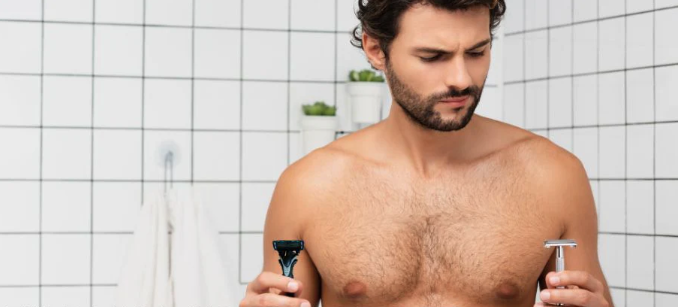
Disposable razors are often marketed as the cheapest option, especially when bought in multi-packs. At first glance, they seem like a sensible choice. The upfront cost is low, they’re easy to find, and they don’t require any ongoing commitment. For occasional use or travel, disposables may appear convenient. However, this initial affordability hides several long-term downsides that become clear with regular use.
Cartridge razors, on the other hand, typically require a slightly higher upfront investment. The handle is designed to last, while only the blade cartridge needs replacing. Many men assume this means cartridge razors are automatically more expensive, but this assumption rarely holds up when the full cost is considered. Over time, the difference in blade quality, longevity, and comfort can significantly affect how much you actually spend per shave.
One of the biggest factors in the cost comparison is blade lifespan. Disposable razors are designed for very short-term use. Their blades are often made from lower-quality steel, with minimal coatings, which means they dull quickly. After just a few shaves, disposable razors tend to tug at hair rather than cut cleanly. This leads to discomfort, razor burn, and the need to replace them frequently. While each disposable razor may be cheap, the constant replacements add up faster than many people realise.
Cartridge razors are engineered with longevity in mind. The blades are typically made from higher-quality stainless steel and finished with coatings that reduce friction and corrosion. This allows each cartridge to deliver multiple comfortable shaves before performance declines. When calculated on a cost-per-shave basis, cartridge razors often outperform disposables, especially for men who shave several times a week.
Comfort is another major factor that affects value for money. Disposable razors usually have fewer blades with poor spacing and little to no lubrication. This forces users to apply more pressure to achieve a close shave, increasing the risk of cuts, redness, and irritation. Over time, skin damage becomes part of the routine, even if it’s not immediately obvious.
Cartridge razors are designed to minimise these problems. Features like pivoting heads, blade spacing, and lubrication strips help the razor glide across the skin rather than scrape it. This reduces pressure, improves comfort, and lowers the likelihood of razor burn and ingrown hairs. While these features may seem minor, they directly affect how often blades need replacing and how enjoyable shaving feels overall.
Another hidden cost of disposable razors is inconsistency. Because disposable blades degrade quickly, the quality of the shave changes dramatically after just one or two uses. This inconsistency often leads men to discard razors earlier than necessary simply because the shave feels uncomfortable. Cartridge razors, by contrast, offer more consistent performance across multiple shaves, making it easier to know when a blade genuinely needs replacing.
From a financial perspective, predictability matters. With cartridge razors, it’s easier to budget for replacements because blades last longer and performance declines gradually. Disposable razors create a cycle of frequent purchases, often made out of frustration rather than planning. Over time, this reactive buying habit can quietly cost more than investing in a reusable handle with quality cartridges.
Environmental impact also plays a role in determining real value. Disposable razors are entirely thrown away after use, combining plastic handles and metal blades that are difficult to recycle. This creates a significant amount of waste, especially for men who shave regularly. While this may not show up on a receipt, it does contribute to broader environmental costs that many UK consumers are becoming more aware of.
Cartridge razors reduce waste by keeping the handle in use and replacing only the blade cartridge. This simple design change significantly lowers plastic consumption over time. When cartridges are designed to last longer, fewer replacements are needed, further reducing waste. For environmentally conscious buyers, this adds another layer of value beyond immediate financial savings.
Skin health is another area where cartridge razors often prove better value. Repeated irritation from dull disposable blades can lead to ongoing skin problems, including razor bumps and sensitivity. These issues sometimes result in additional spending on skincare products to manage irritation that could have been avoided with better shaving tools. A comfortable razor that protects skin reduces the need for these extra purchases, saving money indirectly.
It’s also worth considering time as part of the cost equation. Disposable razors often require more passes over the same area to achieve an acceptable shave, increasing the time spent shaving and the strain on skin. Cartridge razors, especially well-designed three-blade systems, cut hair efficiently in fewer strokes. This not only improves comfort but also makes daily shaving quicker and more convenient.
Many men assume that more blades automatically mean better value, but this isn’t always true. Razors with excessive blade counts often increase friction and irritation without delivering noticeably better results. Three-blade cartridge razors tend to offer the best balance between efficiency and comfort, making them suitable for regular use without the drawbacks associated with both disposables and overly complex multi-blade systems.
Replacement blade pricing is another critical factor. Some cartridge systems are designed to lock users into expensive proprietary blades, which can undermine long-term value. However, when replacement cartridges are priced fairly and built to last, cartridge razors become one of the most cost-effective shaving options available. The key is choosing a system that focuses on performance rather than inflated branding.
For UK consumers looking to balance comfort, performance, and cost, high-quality three-blade cartridge replacements provide a strong alternative to disposable razors. They offer consistent shaves, reduced irritation, and longer blade life without the need to constantly repurchase entire razors. Options like these are designed to deliver better value over time while keeping shaving simple and affordable: https://smartshave.co.uk/3-blade-cartridge-replacement/
Ultimately, the question of which razor is better for your money depends on how often you shave and what you value in your routine. Disposable razors may seem cheaper at first, but their short lifespan, inconsistent performance, and impact on skin often make them more expensive in the long run. Cartridge razors require a slightly higher initial commitment, but they repay that investment through durability, comfort, and predictability.
When evaluated over weeks and months rather than individual purchases, cartridge razors consistently provide better overall value for most men. They reduce waste, protect skin, and lower the cost per shave, making them a smarter financial choice for anyone who shaves regularly. For men looking to move beyond the cycle of constantly replacing disposables, a well-designed cartridge razor system offers a more sustainable and cost-effective solution.