
Shaving is one of the most common grooming routines, yet it is also one of the most misunderstood. Many men assume irritation, razor burn, and blades wearing out quickly are unavoidable parts of shaving. In reality, most shaving problems are self-inflicted through habits that damage both the blade and the skin at the same time. These mistakes are often repeated daily, compounding their effects and leading to consistently poor results even when using a high-quality razor.
One of the most damaging mistakes is shaving with too much pressure. Pressing harder does not make a razor cut better. Instead, it forces the blade deeper into the skin, increasing friction and scraping away the skin’s protective barrier. Excess pressure also bends the blade edge microscopically during each stroke. This weakens the edge and causes it to dull far faster than normal. The skin responds with redness, inflammation, and razor burn, while the blade loses sharpness long before it should.Another common mistake is shaving with a dry or poorly lubricated face. Beard hair is incredibly strong when dry, requiring significantly more force to cut. Without adequate lubrication, the blade encounters resistance from both hair and skin, creating drag instead of glide. This increases friction, generates heat, and accelerates blade wear. Dry shaving also leads to micro-tears in the skin, which cause stinging, redness, and long-term sensitivity.
Shaving too quickly is another habit that ruins blades and skin alike. Fast, careless strokes increase the chance of uneven pressure and poor blade angle. When a razor skips or catches, it damages the blade edge and scrapes the skin. Controlled, slow strokes allow the blade to cut cleanly and rinse properly between passes. Rushing through a shave turns what should be a smooth cutting process into repeated scraping.
Using a blade for too long is one of the most obvious yet most ignored mistakes. Many men continue using a cartridge long after it has passed its effective lifespan. As blades dull, they pull and tug at hair instead of slicing it cleanly. This pulling sensation causes users to apply more pressure, creating a cycle of irritation and accelerated blade damage. A blade that feels uncomfortable is already harming the skin, regardless of how much hair it still removes.
Improper rinsing during shaving also causes problems. Hair clippings, shaving cream residue, and skin oils quickly build up between blades. This buildup increases drag and reduces cutting efficiency, making the razor feel dull even when it is not. Poor rinsing also traps moisture and organic matter, encouraging corrosion that damages the blade edge. A clogged razor forces extra passes, multiplying skin irritation.
Storing a razor in a wet environment is another overlooked issue. Leaving a razor in the shower exposes it to constant humidity and water droplets. Even stainless steel blades are vulnerable to micro-corrosion under these conditions. Over time, corrosion roughens the blade edge, increasing friction and reducing comfort. A blade stored wet will always wear out faster than one kept dry.
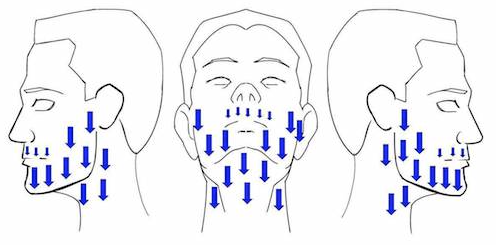
Shaving against the grain too aggressively is another mistake that harms both blade and skin. While shaving against hair growth can feel closer, it significantly increases resistance. This extra resistance stresses the blade edge and increases the likelihood of cutting hair below skin level. Hair cut too short can curl back into the follicle, leading to ingrown hairs and inflammation. Skin subjected to repeated against-the-grain passes becomes more sensitive over time.Skipping proper skin preparation is another major factor. Shaving without softening the hair first forces the blade to work harder. Warm water relaxes the skin and hydrates the hair, making it easier to cut. Without this preparation, the blade edge experiences greater force with every stroke, dulling faster and increasing skin trauma.
Overusing the same shaving direction repeatedly also causes problems. Repeated passes over the same area compound friction and blade wear. Each pass removes a tiny amount of the skin’s protective layer. Over time, this leads to dryness, sensitivity, and irritation. Fewer passes with a sharper blade are always better than multiple passes with a dull one.Ignoring post-shave care is another mistake that indirectly affects blade performance. Inflamed, damaged skin heals poorly and becomes more sensitive, making future shaves more uncomfortable. This encourages users to press harder or shave less carefully, further damaging blades. Healthy skin supports better shaving outcomes because it offers consistent resistance and lubrication.
Ultimately, most shaving problems are not caused by bad razors, but by habits that work against how blades and skin are designed to interact. Light pressure, proper lubrication, good rinsing, dry storage, and timely blade replacement protect both the blade edge and the skin barrier. When these fundamentals are respected, shaving becomes smoother, blades last longer, and skin stays calm and healthy.