
Razor burn is that frustrating, red, irritated feeling many men experience right after shaving. It often appears as redness, stinging, burning, or small bumps on the face, neck, or other shaved areas. Medically known as irritant contact dermatitis from shaving, razor burn results from friction, dull blades pulling at hairs, improper technique, or sensitive skin reacting to the process. While it’s common—especially for those with coarse hair or sensitive skin—it’s largely preventable with the right habits.
The good news? You can stop razor burn almost instantly by adopting proven strategies backed by dermatologists, grooming experts, and sources like the Cleveland Clinic, American Academy of Dermatology (AAD), and GQ. These 9 methods focus on preparation, technique, tools, and aftercare to give you a smooth, irritation-free shave every time.
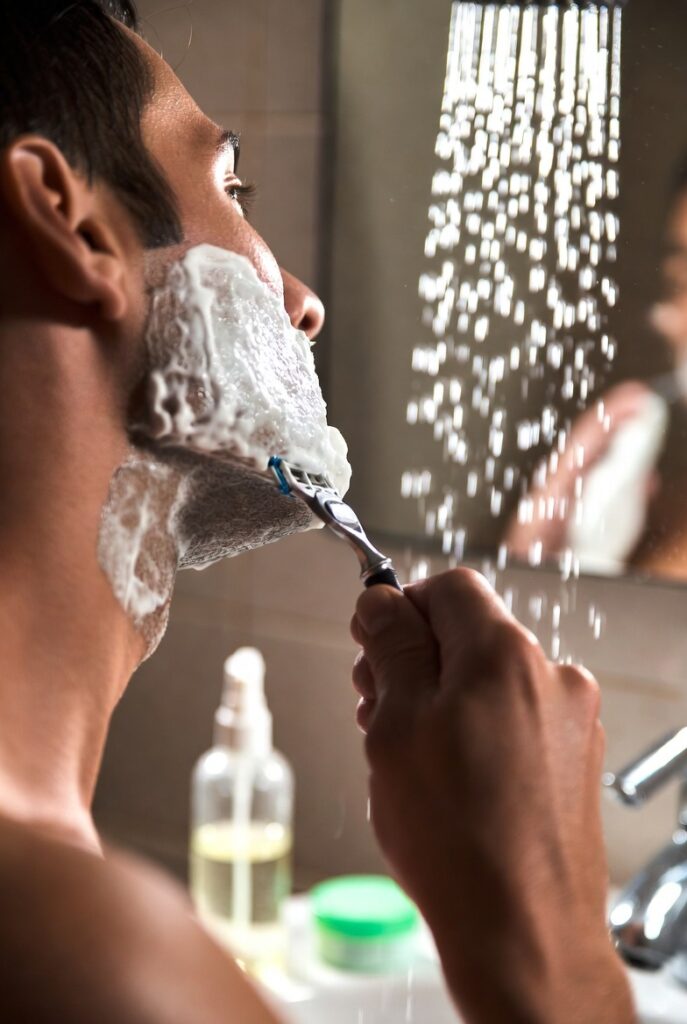
1. Prep Your Skin with Warm Water and Proper Cleansing
Start by softening your facial hair and opening pores—this is one of the most effective ways to reduce friction and prevent razor burn.
Shave right after a warm shower or apply a warm, damp towel to your face for 2–3 minutes. Warm water hydrates the skin and hair, making hairs stand up straighter and easier to cut without tugging. Cleanse gently with a mild, non-drying face wash to remove oil, dirt, and dead skin that could clog pores or cause extra irritation.
Dermatologists from Cleveland Clinic emphasize shaving when skin is moist and soft to minimize burn risk. Skipping this step is a top cause of irritation.
2. Use a High-Quality, Moisturizing Shaving Cream or Gel
Never shave dry or with just soap—always apply a thick layer of lubricating shaving cream, foam, or gel.
Look for products with aloe vera, glycerin, or oils that create a protective barrier between blade and skin. Moisturizing formulas reduce friction dramatically. The AAD recommends always using a moisturizing shaving cream during the shave to prevent bumps and burn.
Apply generously and let it sit for 30–60 seconds to further soften hairs. This simple switch often eliminates razor burn for many men.
3. Invest in Sharp Blades and Change Them Frequently
Dull blades are a leading culprit behind razor burn—they tug hairs instead of cutting cleanly, leading to inflammation.
Replace cartridge blades every 5–7 shaves or when you notice tugging. For safety razors, swap single blades after 3–5 uses. Experts from Henson Shaving and GQ stress that fresh, sharp blades glide smoothly, reducing passes and irritation.
A sharp blade means fewer strokes, less pressure, and instantly smoother results with minimal burn.
4. Master Proper Shaving Technique: With the Grain and Light Pressure
Shave with the grain (direction of hair growth) using short, light strokes. Avoid against-the-grain for daily shaves unless your skin tolerates it well.
Press lightly—let the blade’s weight do the work. Rinse the blade often under running water to clear debris. Cleveland Clinic advises short strokes, rinsing frequently, and going with the grain to prevent burn.
This technique alone can cut irritation by 50% or more for most men.
5. Exfoliate Gently Before Shaving (But Not Too Aggressively)
Buildup of dead skin can trap hairs and worsen irritation, so gentle exfoliation 1–2 times a week helps.
Use a soft washcloth, mild chemical exfoliant (like salicylic acid), or a pre-shave scrub. Avoid harsh scrubs right before shaving if your skin is sensitive. Dermatologists note that regular (but gentle) exfoliation prevents ingrown hairs and related burn.
Incorporate this into your routine for long-term prevention.
6. Choose the Right Razor for Your Skin Type
Not all razors suit every face. Multi-blade cartridges can cause more irritation for sensitive skin due to extra passes.
Consider switching to a single-blade safety razor, adjustable razor, or electric shaver designed for sensitive skin (like foil types from Braun). GQ and dermatologists recommend tools that minimize blade contact. Test different options—many men find fewer blades mean less burn.
7. Apply a Soothing, Alcohol-Free Aftershave or Balm Immediately
Post-shave care locks in prevention. Skip alcohol-based splashes that dry and sting skin.
Opt for alcohol-free balms, lotions, or soothing products with aloe vera, witch hazel, or chamomile. The AAD suggests a soothing aftershave to reduce irritation risk. Apply right after patting dry to calm skin and hydrate.
This step provides instant relief and prevents redness from setting in.
8. Shave Less Frequently and at the Right Time
Daily shaving exacerbates burn for many men—give your skin recovery time.
Shave every 2–3 days if possible. Shave in the evening rather than morning rush, when skin is less puffy. Sources like Bump Stopper and Men’s Health advise spacing shaves to allow healing and reduce cumulative irritation.
Fewer sessions mean healthier skin long-term.
9. Stay Hydrated and Moisturize Daily (Including Non-Shave Days)
Healthy skin resists irritation better. Drink plenty of water and apply a fragrance-free moisturizer morning and night.
Hydrated skin is more resilient. Add ingredients like hyaluronic acid or ceramides for barrier support. Dermatologists consistently link overall hydration to fewer shaving issues.
Combine these for compounded benefits.
Bonus Tips for Instant Results and Long-Term Success
- Patch-test new products to avoid reactions.
- If burn occurs, apply aloe vera gel, cold compress, or low-strength hydrocortisone for quick soothing.
- For persistent issues (like pseudofolliculitis barbae), consult a dermatologist—topical treatments or laser options may help.
By implementing these 9 proven methods, most men see razor burn vanish almost instantly. Start with prep, sharp tools, and technique—these yield the biggest wins. Consistency turns shaving from a chore into a smooth, comfortable routine.
Say goodbye to post-shave sting and hello to confident, irritation-free skin.
Frequently Asked Questions (FAQ) About Razor Burn
What exactly is razor burn, and how do I know if I have it? Razor burn is a form of irritant contact dermatitis — red, inflamed, stinging, or burning skin right after shaving. It often looks like a blotchy rash, feels hot or tender, and may include small red spots. Unlike razor bumps (which are raised, pimple-like from ingrown hairs), razor burn is more about immediate surface irritation from friction, dull blades, or dry shaving. If it appears within minutes to hours post-shave and fades in 1–3 days, it’s likely razor burn.
What’s the difference between razor burn, razor bumps, and ingrown hairs?
- Razor burn: Immediate redness, stinging, and irritation from blade friction or poor prep (like dry shaving). No visible bumps usually.
- Razor bumps (pseudofolliculitis barbae): Inflamed, red, raised spots from hairs curling back into the skin — common in curly/coarse hair on the neck/jaw.
- Ingrown hairs: Individual hairs trapped under the skin, forming a bump with a visible hair loop or tip. Razor burn is surface-level irritation; bumps/ingrowns involve hair trapping and inflammation deeper in follicles. Many men get a mix — preventing burn often reduces bumps too.
How long does razor burn last? Most cases clear up in 2–4 days with proper aftercare (cool compress, aloe vera, alcohol-free balm). Severe cases or repeated irritation can linger longer. Stop shaving the area for a few days to let skin heal fully.
Can I still get a close shave without razor burn? Yes — focus on prep (#1), moisturizing products (#2), sharp blades (#3), and technique (#4: with the grain, light pressure). Many men switch to single-blade safety razors or electric foil shavers (#6) for closer, less-irritating results. Shaving every 2–3 days (#8) also helps.
Is razor burn worse on the neck? Why? Absolutely — the neck has sensitive, thin skin, curved contours, and hair that grows in multiple directions (swirls/whorls). This leads to more tugging and against-the-grain passes. Map your grain carefully and use short, light strokes to minimize it.
What’s the fastest way to soothe razor burn after it happens? Apply a cool, damp cloth for 5–10 minutes to reduce inflammation. Follow with pure aloe vera gel, witch hazel, or an alcohol-free aftershave balm with chamomile or oatmeal (#7). Avoid alcohol-based products — they dry skin and worsen sting. Over-the-counter 1% hydrocortisone can help if it’s very red/itchy (use sparingly).
Do dull blades really cause razor burn? Yes — they’re one of the top causes. Dull blades tug hairs instead of slicing them, increasing friction and irritation. Change cartridges every 5–7 shaves or single blades every 3–5 (#3). You’ll notice less pull and smoother glides instantly.
Should I exfoliate if I get razor burn often? Gentle exfoliation 1–2 times a week (#5) removes dead skin that traps hairs and worsens irritation. Use a soft cloth or mild salicylic/glycolic product — but skip aggressive scrubs right before shaving if skin is already sensitive. Over-exfoliating can make burn worse.
Can electric shavers prevent razor burn? Often yes — foil electrics (like Braun) cause less direct blade-to-skin contact than cartridges. They’re great for sensitive skin (#6). Wet/dry models let you use shaving gel for extra lubrication. Many men switch and see instant improvement.
What if I have very sensitive skin or curly hair — will these tips still work? They work even better for sensitive/curly hair types. Prioritize hydration (#9), never-dry shaving (#1), with-the-grain only (#4), and consider single-blade or electric tools (#6). If bumps persist (pseudofolliculitis), a dermatologist may suggest prescription topicals or laser hair reduction.
How often should I shave to avoid razor burn? Every 2–3 days is ideal for most men (#8). Daily shaving stresses skin cumulatively. Evening shaves give skin overnight recovery before sun/exposure.