

Many men with sensitive skin blame their technique when irritation strikes, yet the true culprit often lies in poorly designed razors. Disposable plastic razors flood UK landfills whilst delivering inconsistent blade angles that scrape rather than slice. Precision-engineered razors offer a compelling alternative, combining aerospace-grade manufacturing tolerances with reusable metal construction to deliver smooth, irritation-free shaves whilst cutting environmental waste by 90%. This guide explains what makes these razors different, how their design protects sensitive skin, and why they represent the future of sustainable grooming in 2026.
Key takeaways
| Point | Details |
|---|---|
| Precision engineering reduces irritation | Manufacturing tolerances under 0.0005 inches ensure consistent blade alignment, eliminating vibration and skin scraping. |
| Environmental impact dramatically lower | Reusable metal razors cut waste by 90% compared to disposable plastic alternatives. |
| Blade geometry determines smoothness | Careful balance of blade gap and exposure creates efficient, comfortable shaves for sensitive skin. |
| Long-term cost savings significant | Metal razors reduce shaving costs by 40% over time whilst improving skin health. |
Understanding precision-engineered razors: what they are and how they work
Precision-engineered razors represent a fundamental shift from mass-produced disposables. These tools, typically double-edge safety razors, are manufactured to aerospace-grade tolerances under 0.0005 inches to ensure perfect blade alignment with every shave. This microscopic precision eliminates the blade chatter and inconsistent angles that cause irritation, particularly for men with sensitive skin.
The engineering matters because traditional disposable razors lack this exactitude. Blades wobble slightly during each stroke, creating micro-cuts and inflammation. Precision models like the Henson AL13 maintain a blade gap of 0.85mm and exposure of just 0.002 inches, creating a cutting geometry that slices hair cleanly without dragging across skin. The difference feels immediately apparent, users describe the sensation as effortless rather than forceful.
Three core engineering principles define these razors:
- Rigid blade support prevents vibration during cutting
- Controlled blade exposure limits skin contact to the minimum necessary
- Precise blade angle optimises cutting efficiency whilst minimising pressure
These factors combine to create what enthusiasts call a “baby’s butt smooth” shave without the redness that plagues sensitive skin users. The best razor type for sensitive skin balances these elements perfectly, neither too aggressive nor too mild.
Pro Tip: When evaluating razors, ask manufacturers about their manufacturing tolerances. Quality brands will specify measurements under 0.001 inches, whilst budget options often omit this critical detail entirely.
“The tighter the tolerances, the more consistent your shave becomes. It’s the difference between a precision instrument and a crude tool.” This principle applies whether you’re building aircraft or crafting razors.
Why precision matters: shaving efficiency, skin health, and eco impact
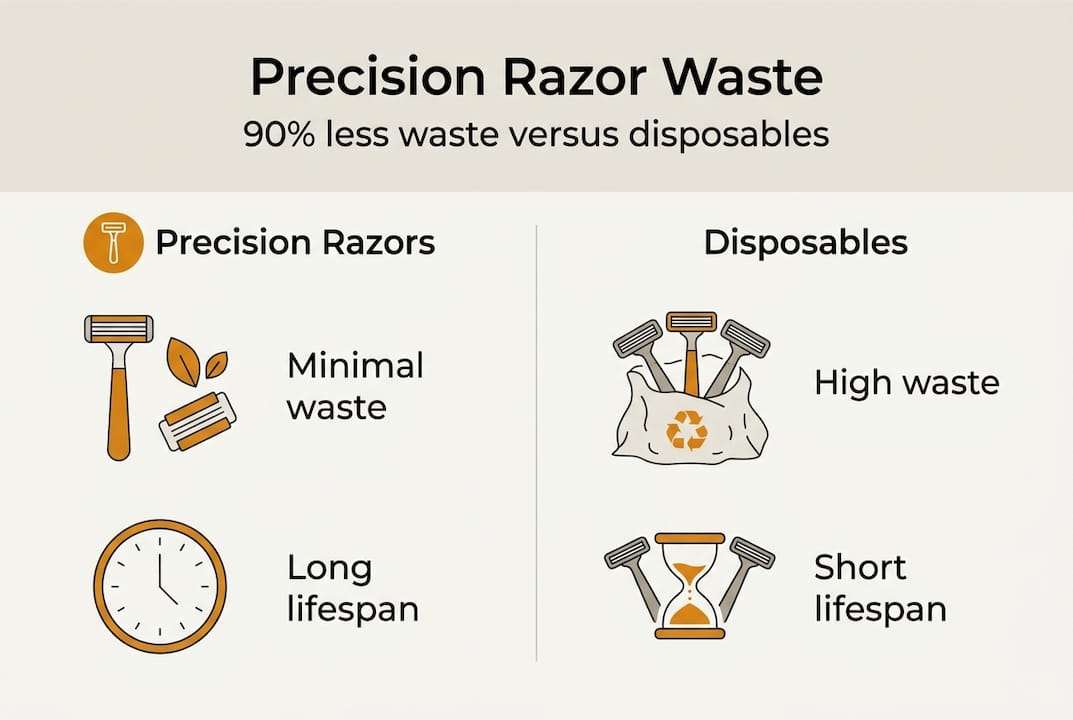
The benefits of precision engineering extend far beyond comfort. Clinical testing and user reports reveal substantial improvements across multiple dimensions. Reusable metal razors cut waste by 90%, reduce costs by 40%, and improve skin health compared to plastic disposables. These aren’t marginal gains but transformative differences that compound over years of daily shaving.
Consider the waste equation. A typical UK man using disposable razors discards roughly 50 plastic units annually, each containing multiple materials that resist decomposition. Precision-engineered metal razors weigh approximately 38g, last decades, and require only recyclable steel blades as consumables. The environmental mathematics strongly favour reusable tools, particularly for eco-conscious buyers seeking to reduce their footprint in 2026.
| Factor | Precision-Engineered Razors | Standard Disposables |
|---|---|---|
| Annual waste generated | ~5g blade steel (recyclable) | ~400g mixed plastics |
| Cost per year | £15-25 in blades | £60-80 in cartridges |
| Skin irritation reports | Low to minimal | Moderate to high |
| Product lifespan | 20+ years | Single use to 6 months |
The skin health improvements stem from consistent blade geometry. Disposables degrade quickly, their plastic housings flex, and blade edges dull unevenly. Precision razors maintain their geometry indefinitely, and fresh blades cost pennies. You can afford to change blades frequently, ensuring sharp edges that cut cleanly rather than tug.
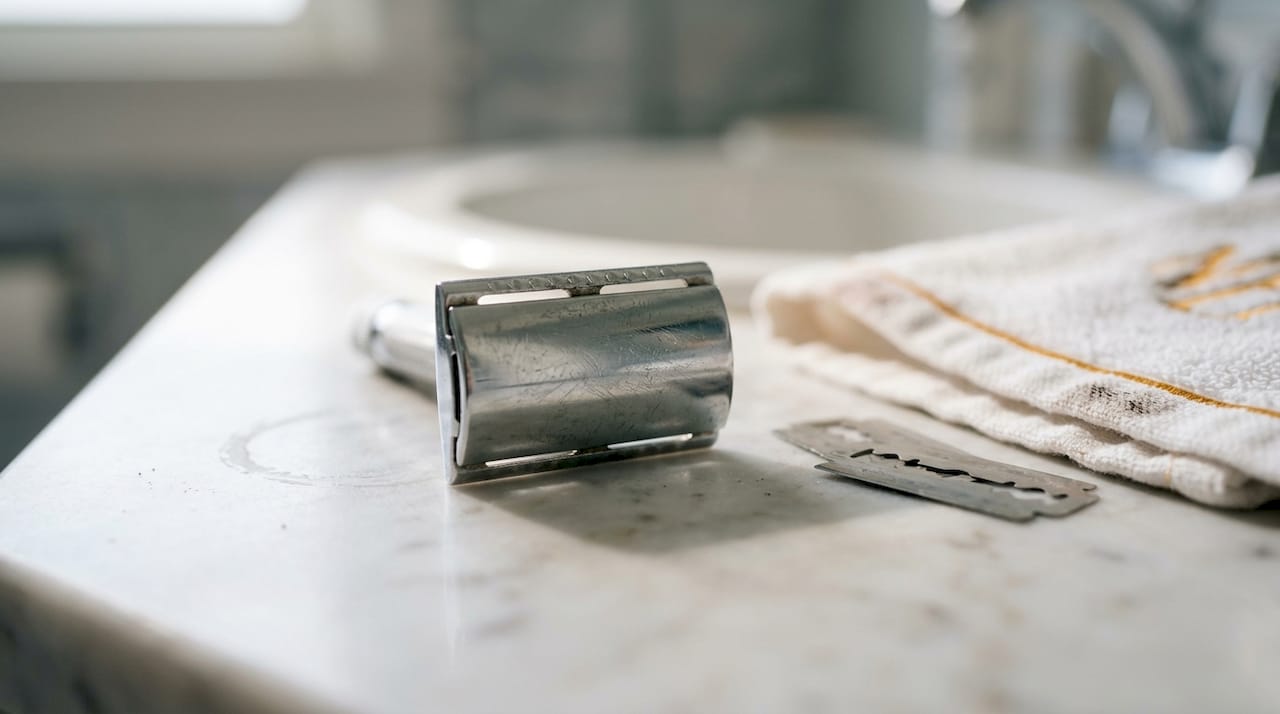
Interestingly, some precision razors feature slightly larger blade gaps without proportionally increasing irritation. This counterintuitive design allows efficient removal of longer growth whilst the precise exposure prevents the blade from digging into skin. The balance matters more than any single measurement.
Pro Tip: Track your skin’s response over the first fortnight when switching to precision razors. Most users notice reduced redness within three shaves as technique adjusts to the different cutting action.
For UK buyers prioritising sustainability, eco-friendly razors offer immediate environmental benefits whilst delivering superior shaves. The investment pays dividends in comfort and conscience, making the choice straightforward for men seeking both performance and responsibility. Understanding why to avoid plastic razors in 2026 reinforces this decision with compelling environmental data.
The nuances of razor design: blade gap, exposure and their impact on smoothness
Blade gap and exposure represent the critical parameters determining shave quality. Blade gap measures the distance between the safety bar and the blade edge, whilst exposure indicates how far the blade protrudes beyond the safety bar plane. These measurements interact in complex ways, making simple rules insufficient for predicting performance.
Balanced geometry of exposure and gap yields optimal irritation-free shaves, whilst extreme negative exposure delivers ultra-smooth but inefficient results. Understanding these relationships helps sensitive skin users select appropriate tools.
Five key effects emerge when adjusting these parameters:
- Increasing blade gap improves efficiency for thick or long growth but raises irritation risk if exposure isn’t balanced accordingly.
- Negative exposure (blade recessed behind safety bar) creates extremely gentle shaves ideal for sensitive skin but requires multiple passes for thorough results.
- Positive exposure (blade protruding forward) enhances cutting efficiency dramatically but demands careful technique to avoid nicks.
- Neutral exposure with moderate gap offers the best compromise for daily shaving, handling normal growth without aggression.
- Weight distribution affects how blade geometry performs, heavier heads can compensate for aggressive settings through better control.
| Exposure Type | Blade Gap | Best For | Potential Drawbacks |
|---|---|---|---|
| Negative | 0.5-0.7mm | Very sensitive skin, daily shaves | Requires extra passes, less efficient |
| Balanced | 0.7-0.9mm | Most users, sensitive to normal skin | Needs proper technique |
| Positive | 0.9-1.2mm | Thick beards, experienced users | Higher irritation risk without skill |
Expert benchmarks suggest balanced razors with 0.85mm gaps and minimal positive exposure handle seven-day beard growth efficiently whilst protecting sensitive skin. This configuration allows the blade to engage whiskers effectively without excessive skin contact. Some users with particularly reactive skin prefer slightly negative exposure, accepting reduced efficiency for guaranteed comfort.
Alternative technologies exist. Philips electric razors employ different cutting principles with adjustable depth settings, though they lack the traditional wet shaving experience many men prefer. The precision-engineered safety razor remains the gold standard for combining closeness with skin protection.
“No single measurement tells the complete story. A razor with aggressive gap but negative exposure might shave gentler than a mild gap with positive exposure. The interaction between parameters matters more than individual specs.”
For sensitive skin specifically, the features of quality razors extend beyond geometry to include blade rigidity, handle balance, and head design that collectively determine real-world performance.
Choosing and using a precision-engineered razor for sensitive skin and sustainability
Selecting the right precision-engineered razor requires evaluating multiple factors beyond marketing claims. Reusable metal razors improve skin health and cut costs over time, making them ideal for sensitive skin and sustainability-minded buyers. The initial investment ranges from £30 to £150 depending on materials and manufacturing origin, but the tool lasts decades with minimal maintenance.
Key selection criteria include:
- Blade fit and finish quality, ensuring zero play or wobble when assembled
- Overall weight and balance, heavier razors (35-45g) often provide better control
- Documented blade exposure and gap measurements from the manufacturer
- Material choice, stainless steel or aluminium for durability and eco-credentials
- UK availability of replacement blades to avoid international shipping waste
Maintenance proves remarkably simple. Rinse thoroughly after each shave, occasionally soak in warm water with mild soap, and dry completely to prevent water spots. The razor itself never dulls or degrades. Blades should be changed every five to seven shaves for sensitive skin, ensuring consistently sharp edges that cut rather than pull.
Pro Tip: Test your new razor’s irritation profile by shaving just one cheek on the first attempt. If redness appears, adjust your pressure (use less) or angle (keep handle closer to face) before completing the full shave. Most irritation stems from technique rather than the tool itself.
The environmental benefits compound over time. A single precision razor eliminates roughly 1,000 disposable units over 20 years of use, preventing several kilograms of mixed plastic waste from entering UK landfills. For eco-conscious men, this impact aligns daily grooming with broader sustainability values without compromising results.
Trusted UK sources for precision-engineered razors include specialty shaving retailers and eco-focused platforms. Look for brands offering detailed specifications, transparent manufacturing information, and responsive customer support. Pairing your razor with appropriate products enhances results, best shaving kits for sensitive skin typically include lubricating creams with aloe vera and vitamin E that protect whilst you shave.
Budget considerations shouldn’t deter interested buyers. Whilst premium razors command higher prices, even mid-range precision models outperform disposables dramatically. The affordable shaving tips for eco-conscious men demonstrate how strategic investment in quality tools reduces long-term costs whilst improving daily comfort.
Explore eco-friendly precision-engineered razors at Smart Shave
Smart Shave specialises in precision-engineered razors designed specifically for men with sensitive skin seeking sustainable grooming solutions. The curated collection features razors manufactured to exacting tolerances, ensuring the consistent blade geometry that prevents irritation whilst delivering smooth results.
Each razor in the range combines eco-friendly materials with the engineering principles discussed throughout this guide. From balanced blade exposure to rigid construction that eliminates chatter, these tools embody the sustainable precision approach that protects both your skin and the environment. The eco-friendly razors available include options for beginners and experienced wet shavers alike.
Complete shaving solutions extend beyond the razor itself. Men’s shaving kits pair precision tools with skin-soothing preparations containing vitamin E and aloe vera, creating a comprehensive system for irritation-free grooming. For those considering an equipment refresh in 2026, exploring why to upgrade your shaving kit reveals the cumulative benefits of switching to precision-engineered tools.
Frequently asked questions
What makes a razor ‘precision-engineered’?
Precision-engineered razors are manufactured to tolerances under 0.0005 inches, ensuring perfect blade alignment and consistent geometry. This microscopic accuracy eliminates the vibration and inconsistent angles that cause irritation in mass-produced disposables.
How do precision-engineered razors benefit sensitive skin?
The exact blade positioning prevents scraping and dragging across skin, cutting hair cleanly without inflammation. Rigid construction eliminates blade chatter, whilst controlled exposure limits unnecessary skin contact during each stroke.
Are these razors more environmentally friendly than disposables?
Absolutely, reusable metal razors reduce waste by 90% compared to plastic disposables. A single precision razor eliminates roughly 1,000 disposable units over its lifespan, preventing kilograms of mixed plastic from entering landfills.
How often should I replace blades for sensitive skin?
Change blades every five to seven shaves to maintain optimal sharpness. Fresh blades cost pennies each, making frequent replacement affordable whilst ensuring edges cut cleanly rather than tug at whiskers.
Can precision-engineered razors be used by beginners?
Yes, particularly models with balanced or slightly negative blade exposure. Start with light pressure and proper angle (handle close to face), and most users achieve better results than disposables within three shaves as technique develops.