

Shaving shouldn’t leave your skin irritated, covered in bumps, or feeling uncomfortable. Yet 71% of men have experienced problems with shaving their face, mainly irritation and ingrown hairs. The good news? Most shaving discomfort stems from avoidable mistakes rather than your skin type. By understanding proper technique, choosing the right tools, and following a structured routine, you can transform your daily shave into a smooth, irritation-free experience that respects both your skin and the planet.
Key takeaways
| Point | Details |
|---|---|
| Dull blades cause irritation | Using dull blades increases irritation and ingrown hairs significantly after just 5-7 shaves. |
| Blade angle matters | Maintaining a 20-30 degree angle ensures efficient cutting with minimal skin trauma. |
| Preparation prevents problems | Hydrating your beard for at least 3 minutes softens hairs and dramatically reduces pulling during shaving. |
| Post-shave care protects skin | Alcohol-free aftershave balms soothe skin and prevent infection better than traditional alcohol-based products. |
| Tool choice impacts results | Fewer blades often mean less irritation, whilst eco-friendly options deliver performance without plastic waste. |
Understanding essential shaving criteria to avoid mistakes
Before tackling common errors, you need to grasp the fundamental criteria that separate a comfortable shave from a painful ordeal. These principles form the foundation of proper shaving technique.
Blade sharpness stands as the single most crucial factor. A fresh, sharp blade glides through hair with minimal friction, whilst using dull blades is a primary cause of irritation and ingrown hairs. Think of it like cutting paper with scissors: sharp blades slice cleanly, dull ones tear and pull.
Proper beard preparation transforms your shaving experience. Hydrating your beard for at least three minutes before shaving softens the hair shaft, making it easier to cut. A warm shower works perfectly for this, allowing water to penetrate the hair cuticle. This simple step reduces the force needed during shaving, minimising skin stress.
Blade angle is critical for efficient cutting and minimising irritation. The optimal angle sits around 20 to 30 degrees relative to your skin surface. Too steep, and you scrape skin rather than cut hair. Too shallow, and the blade slides over hairs without cutting them properly.
Skin tension and lubrication work together to create the ideal shaving surface. Stretching skin taut before each stroke creates a flat cutting plane, reducing the chance of nicks. Quality shaving creams or soaps create a protective cushion between blade and skin, reducing friction whilst providing visual guidance for your strokes.
Pro Tip: Check your pre-shave routine to ensure you’re preparing your skin properly. Small adjustments in preparation often deliver bigger improvements than changing razors.
Key preparation steps include:
- Hydrate beard with warm water for minimum 3 minutes
- Apply quality shaving cream to create protective layer
- Maintain consistent blade angle throughout shave
- Keep skin taut during each stroke
- Replace blades regularly before they dull
Understanding razor blade materials also helps you select tools that maintain sharpness longer. Premium materials like platinum-coated stainless steel resist corrosion and stay sharper through more shaves, reducing irritation over the blade’s lifespan.
Top shaving mistakes that cause irritation and discomfort
Now that you understand the criteria, let’s examine the specific mistakes that derail most men’s shaving routines. Recognising these errors helps you avoid them completely.
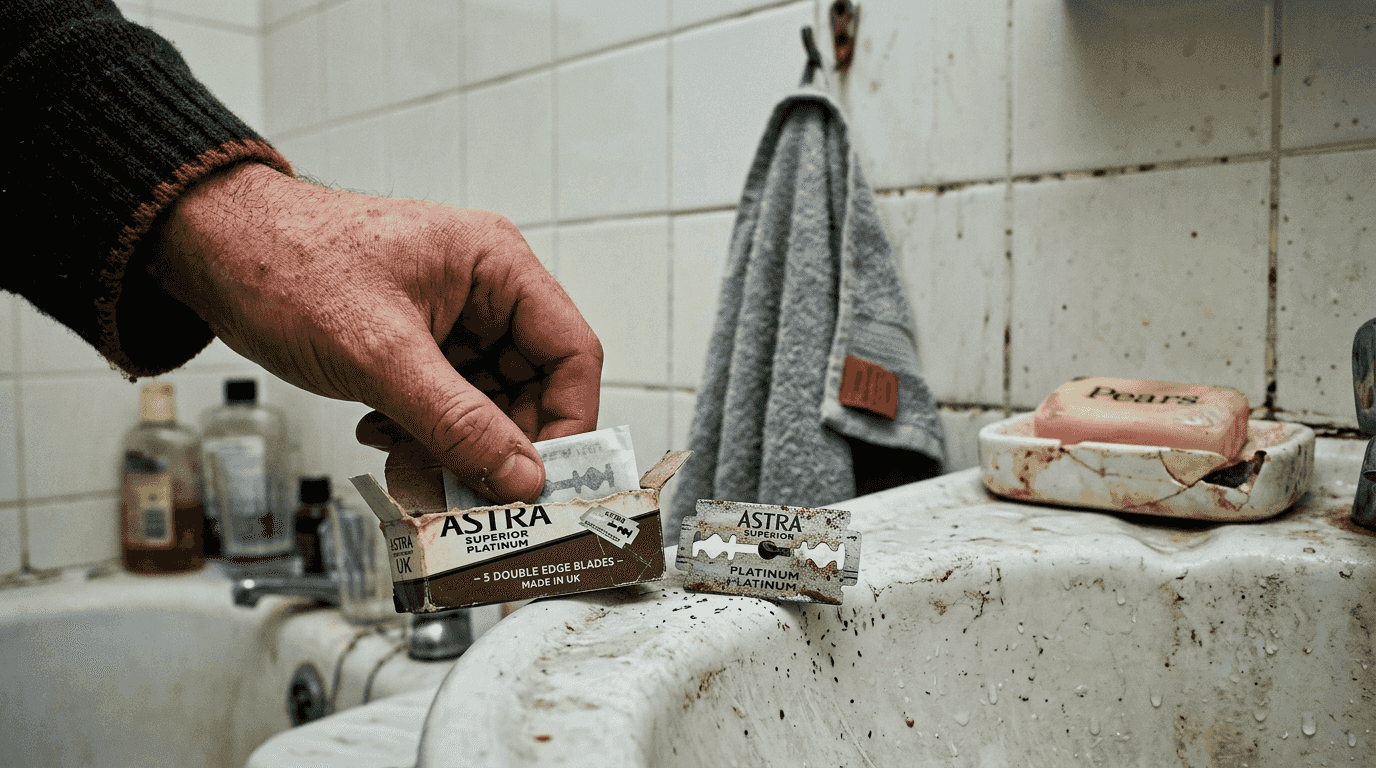
Shaving with dull blades tops the list of preventable problems. After 5 to 7 shaves, even premium blades lose their edge. Dull blades increase irritation and ingrown hairs risk significantly because they pull hair rather than cutting it cleanly. This tugging irritates follicles and can cause hairs to break beneath the skin surface, leading to painful bumps.
Inadequate beard hydration creates unnecessary resistance during shaving. Dry hair requires substantially more force to cut, increasing skin trauma with each stroke. Many men rush their morning routine, applying cream to a dry face and shaving immediately. This approach guarantees a rougher, more uncomfortable experience.
Applying excessive pressure compensates for poor technique but punishes your skin. When you press hard, you’re essentially scraping skin cells along with cutting hair. Combined with the wrong blade angle, this creates the perfect conditions for razor burn and cuts. Your razor should glide with its own weight, not be forced against your face.
“The key to comfortable shaving isn’t pressing harder, it’s preparing better and using sharp blades at the correct angle.”
Skipping exfoliation allows dead skin cells to accumulate around hair follicles. These cells can trap hairs beneath the skin surface after shaving, causing ingrown hairs and razor bumps. Regular exfoliation clears this debris, creating a cleaner shaving surface.
Neglecting post-shave care leaves skin vulnerable and uncomfortable. After shaving removes the top layer of skin cells, your face needs soothing and protection. Many men either skip aftershave entirely or use harsh alcohol-based products that dry skin further.
Pro Tip: Track when you start each blade cartridge or safety razor blade. Replace it after 5 shaves maximum, even if it still feels sharp. This prevents the gradual decline in performance that causes irritation.
Common mistake patterns include:
- Using same blade for weeks until it obviously dulls
- Shaving immediately after waking without proper hydration
- Pressing razor hard to compensate for dull blades
- Never exfoliating before shaving sessions
- Using alcohol aftershave that stings and dries skin
- Shaving against grain on first pass
Many of these common shaving mistakes stem from copying poor techniques learned from others or rushing through an important grooming routine. Breaking these habits requires conscious attention initially but becomes second nature quickly.
Comparing shaving tools and techniques to prevent mistakes
Choosing the right razor significantly impacts your ability to avoid common mistakes. Different tools offer distinct advantages and challenges for achieving irritation-free results.
| Razor Type | Irritation Risk | Eco-Friendliness | Blade Lifespan | Best For |
|---|---|---|---|---|
| 3-blade cartridge | Low to moderate | Poor (plastic waste) | 5-7 shaves | Beginners, quick shaves |
| 5-blade cartridge | Moderate to high | Poor (plastic waste) | 5-7 shaves | Those wanting closeness |
| Safety razor | Low (with technique) | Excellent (metal only) | 5-7 shaves | Eco-conscious, experienced |
| Slant-bar safety | Low to moderate | Excellent (metal only) | 5-7 shaves | Thick beards, experienced |
The debate between 3-blade and 5-blade cartridges centres on skin contact. Multi-blade razors increase skin contact and irritation because each additional blade passes over the same area. Fewer blades mean less trauma but may require additional passes to achieve the same closeness. For sensitive skin, three blades often provide the better balance.
Safety razors offer sharper blades with controlled exposure, significantly lowering irritation risk when used properly. The single blade design eliminates the multiple-pass irritation of cartridge systems. However, safety razors demand better technique, particularly regarding angle and pressure. The learning curve pays dividends in reduced irritation and dramatically lower ongoing costs.
Slant-bar designs like the Merkur 37 increase blade sharpness due to their angled cutting geometry but can be harsher on skin. The slant creates a slicing motion rather than a chopping cut, making it exceptionally effective on thick, coarse beards. This aggressive cutting can cause more irritation if technique isn’t perfect, making slant-bars better suited to experienced wet shavers.
Eco-friendly razors balance performance with sustainability by using durable metal construction and replaceable blades. These eliminate the plastic waste of disposable cartridges whilst often delivering superior shaves. Modern eco-friendly designs incorporate skin-protecting features like safety bars and optimal blade exposure angles.
Key comparison factors:
- Blade count affects total skin contact and irritation
- Safety razors require technique but reward with less irritation
- Slant designs excel on coarse hair but demand experience
- Eco-friendly options reduce waste without sacrificing performance
- Cartridge convenience comes at environmental cost
Lather quality matters regardless of razor choice. Even the best razor performs poorly with inadequate lubrication. Quality shaving soaps create thick, protective lather that cushions skin and provides slip for blade movement. Cheap foams often lack these protective qualities, increasing friction and irritation.
Shaving technique trumps tool selection in many cases. The best razor in the world still causes irritation when used with excessive pressure or wrong angles. Conversely, even basic tools deliver comfortable results when proper technique is applied. Understanding razor blade count comparison helps you make informed decisions based on your specific skin and beard characteristics.
Practical tips for a smoother, eco-friendly shave in 2026
Transforming shaving knowledge into consistent results requires a structured approach. These practical steps create the foundation for irritation-free shaving whilst respecting environmental concerns.
-
Prepare with warm water hydration. Start with a warm shower or apply a hot towel to your face for at least three minutes. This softens beard hair and opens pores, making cutting easier and reducing the force needed during shaving.
-
Use fresh, sharp blades consistently. Replace your blade after five to seven shaves maximum, marking your calendar or using a blade tracker. Sharp blades cut cleanly without pulling, dramatically reducing irritation regardless of razor type.
-
Apply quality shaving cream properly. Use a brush to work cream into beard hair, creating thick lather that lifts hairs and protects skin. This layer reduces friction and provides visual guidance for complete coverage.
-
Maintain optimal blade angle. Hold your razor at approximately 30 degrees to your skin surface. Listen for the cutting sound, this audible feedback confirms proper angle and technique.
-
Shave with gentle, short strokes. Let the razor’s weight do the work rather than applying pressure. Pull skin taut with your free hand before each stroke, creating a flat shaving surface that reduces nicks.
-
Follow the grain initially. Map your beard growth pattern and shave with the grain on your first pass. Only experienced shavers should attempt against-grain passes, and only after proper preparation.
-
Exfoliate regularly between shaves. Use a gentle scrub two to three times weekly to remove dead skin that clogs follicles. This prevents ingrown hairs and creates a cleaner shaving surface.
-
Finish with alcohol-free aftershave balm. Post-shave balms soothe skin and prevent infection better than alcohol-based aftershaves, which dry and irritate freshly shaved skin.
Pro Tip: Shave after your morning shower when beard hair has had maximum time to absorb moisture. Evening shaves, whilst convenient, often deal with drier facial hair that’s harder to cut cleanly.
Consistency matters more than perfection. Following these steps regularly produces better results than occasionally using perfect technique. Your skin adapts to routine, becoming less reactive when you maintain consistent practices.
Environmental considerations integrate seamlessly into proper technique. Eco-friendly razors with replaceable blades eliminate plastic waste whilst often providing sharper cutting edges. Quality shaving soaps in minimal packaging reduce environmental impact compared to aerosol foams. These choices align sustainable values with superior shaving performance.
Explore comprehensive prevention strategies for razor burn and detailed post-shave care steps to refine your routine further. Small improvements in each area compound into dramatically better overall results.
Upgrade your shaving kit with eco-friendly precision in 2026
Putting these techniques into practice becomes easier with tools designed specifically for smooth, irritation-free results. SmartShave offers precision-engineered razors built for men who refuse to compromise between performance and environmental responsibility.
Our eco-friendly razors combine sustainable materials with blade technology that delivers consistently clean cuts. Each razor features optimal blade exposure and angle guidance, helping you maintain proper technique whilst reducing plastic waste that pollutes landfills and oceans.

Explore complete men’s shaving kits that include everything needed for professional results at home. From vitamin E-enriched blades to aloe vera-infused lubricating strips, each component supports comfortable shaving whilst protecting sensitive skin. Our subscription model ensures you always have fresh blades, eliminating the temptation to use dull cartridges that cause irritation.
Discover affordable shaving strategies that reduce costs without sacrificing quality. Smart product choices and proper technique deliver better shaves for less money, proving that premium results don’t require premium prices.
FAQ
What is the best blade angle for shaving?
A blade angle between 20 and 30 degrees provides optimal cutting efficiency with minimal skin irritation. This angle allows the blade edge to slice through hair cleanly rather than scraping across skin surface. Maintaining consistent angle throughout your shave prevents the uneven results and discomfort that come from varying technique mid-routine.
How often should I change my razor blade to avoid irritation?
Replace blades after 5 to 7 shaves to prevent the irritation and ingrown hairs caused by dull edges. Even premium blades lose their microscopic sharpness after repeated use, beginning to pull hair rather than cut it cleanly. This tugging irritates follicles and increases razor burn risk substantially, making regular replacement essential for comfortable shaving.
What are the benefits of exfoliating before shaving?
Exfoliation removes dead skin cells that dull blades and clog pores, creating conditions for ingrown hairs. Regular exfoliation two to three times weekly clears debris from around hair follicles, allowing blades to cut hair at skin level rather than beneath it. This simple step dramatically reduces razor bumps whilst improving overall shave smoothness and comfort.
Is it better to use aftershave balm or alcohol-based aftershave?
Aftershave balms hydrate and soothe skin far more effectively than alcohol-based products, which often dry and irritate freshly shaved faces. Balms containing aloe vera, vitamin E, or chamomile calm inflammation whilst creating a protective barrier against infection. Alcohol aftershaves provide that traditional sting but offer little actual skin benefit, often causing more harm than good to sensitive post-shave skin.