

Many men overlook the shaving brush, dismissing it as outdated or unnecessary. Yet this traditional tool delivers benefits modern shaving products cannot match. A quality brush lifts facial hair, exfoliates skin, and creates rich lather that hydrates while providing a protective barrier against razor burn. Whether you seek smoother results or want to reduce shaving irritation naturally, understanding how shaving brushes work transforms your grooming routine. This guide explores the types available, proper technique, and why eco-conscious men in 2026 increasingly choose brushes over disposable alternatives.
Key takeaways
| Point | Details |
|---|---|
| Enhanced lather quality | Shaving brushes generate richer, more protective lather than canned foam, improving razor glide and reducing friction. |
| Skin exfoliation | Circular brush motions remove dead skin cells whilst lifting hairs for a closer, more comfortable shave. |
| Multiple brush types | Synthetic, badger, and boar brushes each offer distinct benefits for different skin types and ethical preferences. |
| Eco-friendly choice | Reusable brushes reduce waste from disposable shaving products, aligning with sustainable grooming values. |
What is a shaving brush and how does it improve your shave?
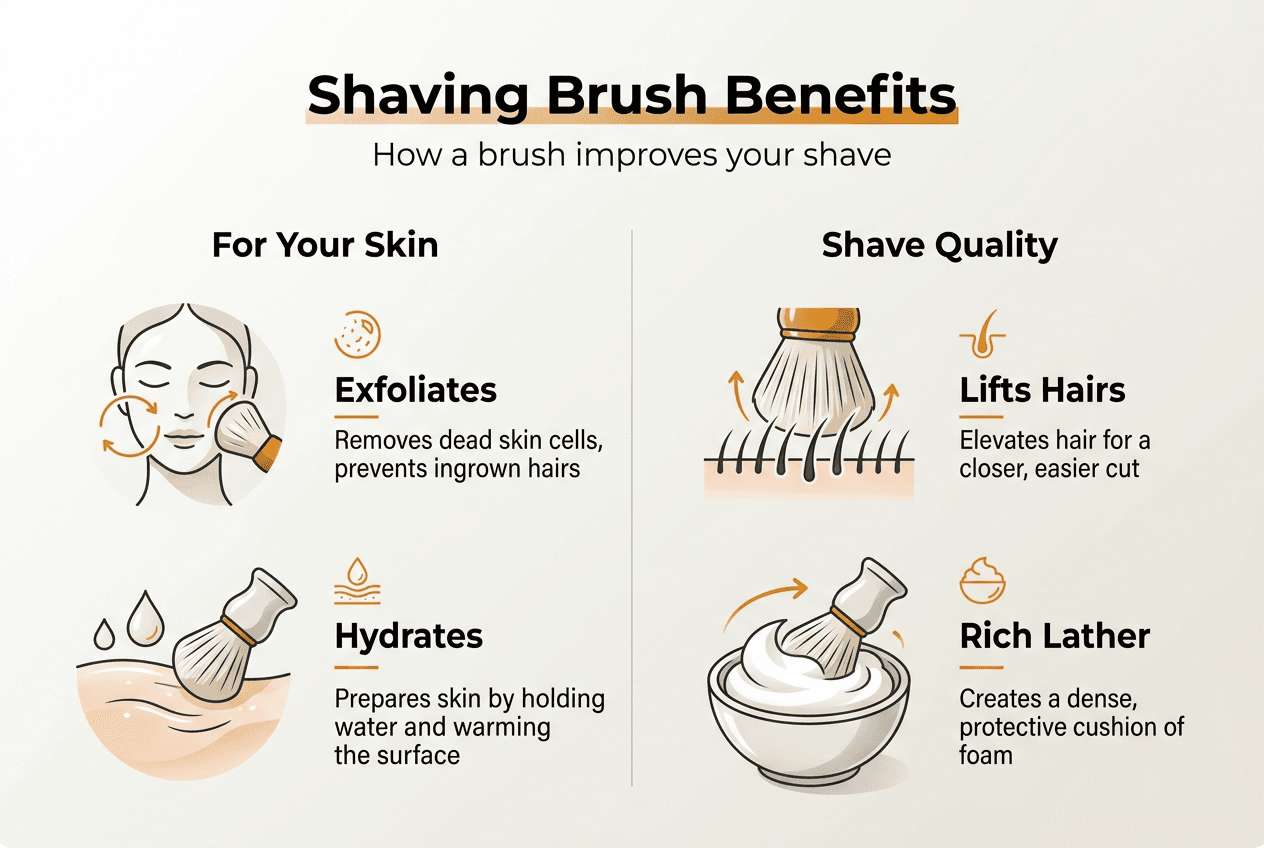
A shaving brush consists of bristles mounted in a handle, designed to work shaving soap or cream into a thick lather whilst preparing your skin. Unlike applying products with your hands, a brush performs multiple functions simultaneously. The bristles lift each hair away from your face, creating the ideal cutting angle for your razor. This mechanical action also exfoliates dead skin cells that would otherwise clog your blade and cause uneven results.
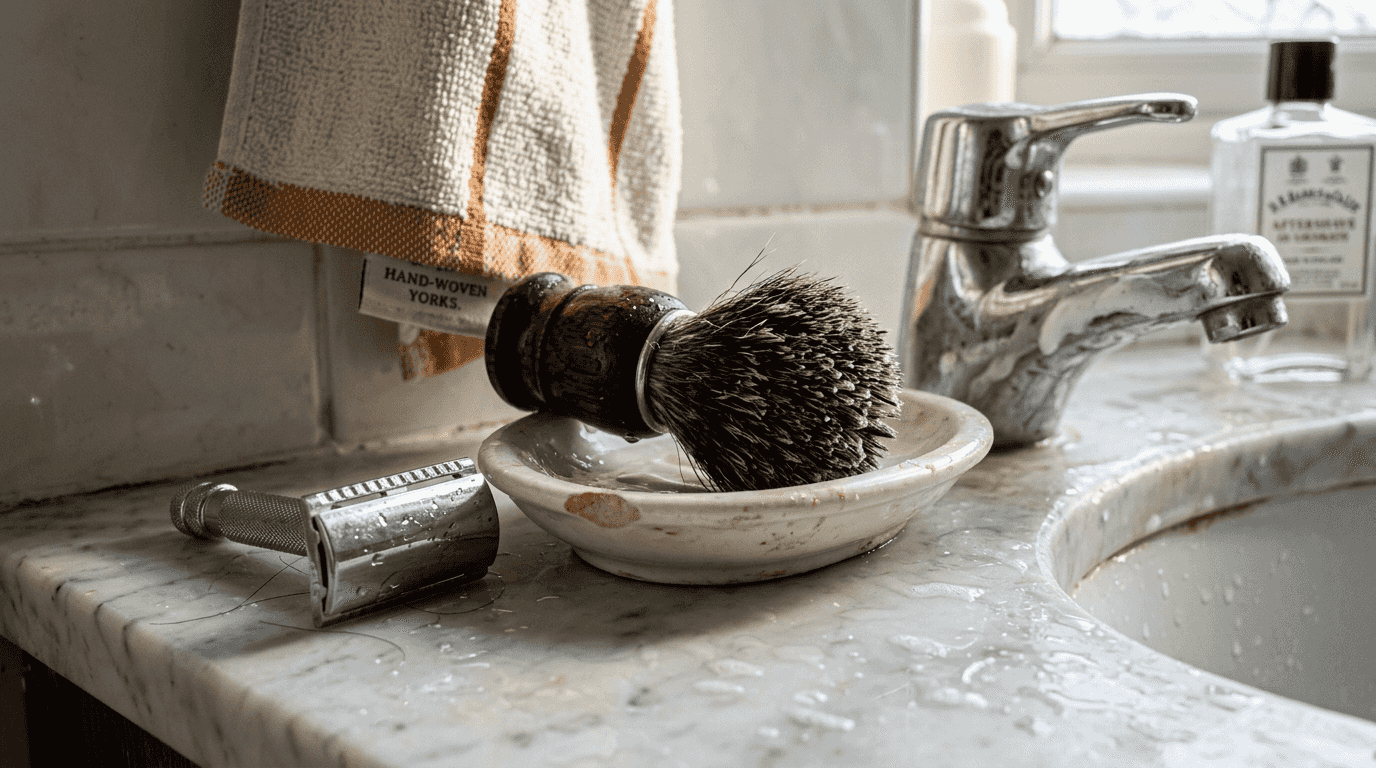
The difference between brush-generated lather and canned foam becomes apparent immediately. Brushes hydrate skin, remove dead cells, and create superior lather that penetrates stubble rather than sitting on the surface. This deep lather delivery softens hairs at the root, making them easier to cut cleanly. The result is less tugging, fewer passes needed, and dramatically reduced irritation.
Pro Tip: Use small circular motions when applying lather to maximise hair lift and skin preparation, ensuring every hair stands ready for your razor.
Key shaving brush functions include:
- Lifting facial hairs away from skin for optimal cutting angles
- Exfoliating dead skin cells that cause razor drag and ingrown hairs
- Hydrating skin and stubble for softer, easier cutting
- Creating a slick protective barrier between blade and skin
The protective barrier proves particularly valuable for those wanting to get a smooth shave without irritation. When lather coats each hair and creates cushioning between your razor and face, the blade glides rather than scrapes. This reduced friction means less pressure required, which directly translates to fewer nicks and less redness.
Shaving brushes lift hairs, exfoliate skin, and provide a slick barrier, reducing irritation and leading to a closer shave.
Men seeking to make shaving less irritating discover that proper brush technique eliminates many common problems. The exfoliation prevents ingrown hairs by clearing follicle openings. The hydration softens tough stubble that would otherwise resist your blade. The lifted hairs reduce the need for multiple passes over the same area. Each function works together, transforming shaving from a chore into a comfortable ritual. For detailed guidance on maximising these benefits, explore this step-by-step shaving brush tutorial.
Types of shaving brushes: synthetic, badger, and boar
Choosing the right brush depends on your skin sensitivity, budget, and values. Three main types dominate the market, each with distinct characteristics that suit different needs. Understanding these differences helps you select a brush that complements your step-by-step shaving routine rather than fighting against it.
| Feature | Synthetic | Badger | Boar |
|---|---|---|---|
| Softness | Very soft, consistent | Soft to very soft | Firm, softens with use |
| Lather quality | Excellent, quick | Rich, luxurious | Dense, ideal for soaps |
| Maintenance | Easy, dries quickly | Moderate, needs care | Requires break-in period |
| Eco-friendliness | Vegan, cruelty-free | Animal hair sourced | Animal hair sourced |
| Cost | Budget to mid-range | Mid to premium | Budget-friendly |
Synthetic brushes serve as excellent starting points for beginners and appeal to vegan-conscious groomers. Modern synthetic fibres rival natural hair in performance whilst offering practical advantages. They dry faster, resist bacteria better, and maintain consistent softness throughout their lifespan. No break-in period means immediate optimal performance.
Pro Tip: Beginners often prefer synthetic brushes because they deliver reliable results from day one whilst respecting vegan values and requiring minimal maintenance.
Badger hair brushes hold water exceptionally, building rich lather with minimal effort. Silvertip badger represents the softest grade, ideal for sensitive skin. Pure badger offers firmer bristles at lower cost. The natural hair absorbs water, releasing it gradually during lathering for consistently moist application. This moisture retention makes badger brushes particularly effective with creams.
Boar bristles provide firmer exfoliation, making them suitable for men with tough stubble or those preferring hard soaps. New boar brushes feel stiff but soften considerably after several weeks of use. This break-in period occurs as natural oils from your shaving products condition the bristles. Once broken in, boar brushes deliver excellent backbone for working stubborn soaps into thick lather.
Key considerations when choosing:
- Synthetic suits vegans, beginners, and those wanting low maintenance
- Badger excels for sensitive skin and cream-based products
- Boar works best with hard soaps and provides maximum exfoliation
- Budget influences choice, with synthetic and boar offering affordable entry points
- Ethical concerns may steer you towards synthetic alternatives
For comprehensive comparisons and detailed specifications, consult this shaving brush types guide covering material properties and performance characteristics.
How to use a shaving brush for a smoother, irritation-free shave
Proper technique maximises your brush’s benefits whilst protecting both your skin and the brush itself. Follow this sequence for optimal results:
- Soak your brush in warm water for 30 seconds, allowing bristles to absorb moisture fully
- Shake out excess water, leaving bristles damp but not dripping
- Load the brush by swirling it on your shaving soap or squeezing cream onto bristles
- Build lather in a bowl or directly on your face using circular motions
- Apply lather using gentle circular movements, covering all areas to be shaved
- Rinse the brush thoroughly after shaving, removing all soap residue
- Shake out water and hang the brush bristles-down to dry completely
Circular lather application lifts facial hair, priming it for cleaner cutting. This lifting action positions each hair at the optimal angle for your razor, reducing the need for multiple passes. The massage effect also stimulates blood flow, softening skin and making it more pliable under the blade.
Pro Tip: Let the brush do the work rather than pressing hard with your razor, as proper lather application reduces the pressure needed for a close shave.
Water temperature matters more than many realise. Hot water softens bristles and stubble but can irritate sensitive skin. Warm water provides the ideal balance, opening pores without causing redness. Cold water works for those with particularly sensitive skin, though it requires more effort to generate lather.
The lathering technique varies slightly between bowls and face lathering. Bowl lathering gives you precise control over consistency, letting you add water gradually until achieving your preferred texture. Face lathering saves time and provides additional exfoliation, though it requires practice to avoid overly dry or runny lather. Experiment with both methods to determine which suits your routine.
Quality brushes minimise friction, allowing razors to glide effortlessly and significantly reducing irritation. This improved glide means less pressure required, which protects your skin from razor burn whilst extending blade life. When your razor moves smoothly rather than dragging, you achieve better results with less effort. Men following expert shaving tips recognise that proper brush technique forms the foundation of comfortable shaving.
For those with reactive skin, review these wet shaving tips for sensitive skin to complement your brush technique. Additional guidance on perfecting your lathering method appears in this shaving brush lather technique resource.
Why choose a shaving brush in 2026: benefits for skin health and eco-conscious men
Beyond immediate shaving improvements, brushes deliver long-term skin health benefits that disposable alternatives cannot match. Understanding these advantages explains why discerning men increasingly reject wasteful shaving methods.
Skin health benefits include:
- Regular exfoliation preventing ingrown hairs and clearing blocked pores
- Deep hydration from water-rich lather penetrating stubble effectively
- Reduced irritation through proper hair lifting and protective lather barriers
- Improved circulation from massage action stimulating healthy skin renewal
| Factor | Shaving Brush | Canned Foam | Cartridge Only |
|---|---|---|---|
| Exfoliation | Excellent | None | Minimal |
| Hydration depth | Deep penetration | Surface only | None |
| Waste generated | Minimal | High (aerosol cans) | Very high |
| Long-term cost | Low (one-time purchase) | Ongoing | Very high |
| Skin preparation | Comprehensive | Basic | Poor |
Brushes lift hairs, exfoliate, and work lather deep into stubble for superior results. This thorough preparation reduces the mechanical stress your skin endures during shaving. Less stress means less inflammation, fewer ingrown hairs, and healthier skin over time. The cumulative effect becomes noticeable within weeks as your skin adapts to gentler treatment.
Environmental considerations resonate strongly with UK consumers in 2026. A quality brush lasts years, potentially decades with proper care, eliminating the waste stream from disposable products. Synthetic brushes avoid animal sourcing concerns whilst delivering excellent performance. Even natural hair brushes, when ethically sourced, represent a more sustainable choice than constantly purchasing aerosol cans.
The economic argument proves equally compelling. Initial brush investment ranges from £15 to £100 depending on type and quality, but this one-time purchase eliminates ongoing foam or gel expenses. Traditional shaving soaps cost less per shave than canned products whilst lasting significantly longer. Men switching to brush-based routines typically recover their investment within months through reduced consumable costs.
For those committed to sustainable grooming, explore these affordable shaving tips for eco-conscious men that complement brush use. Additional insights into environmental impact appear in this guide on eco-friendly shaving solutions. Comprehensive information about brush advantages can be found in resources covering benefits of shaving brushes and detailed shaving brush benefits.
Explore eco-friendly shaving solutions with SmartShave
Understanding shaving brush benefits represents just the beginning of transforming your grooming routine. SmartShave specialises in sustainable, irritation-free shaving products designed for men who value both performance and environmental responsibility. Our precision-engineered razors complement proper brush technique, delivering the smooth results you deserve whilst reducing waste.

Explore our range of eco-friendly razors UK designed to work seamlessly with traditional shaving methods. Complete your setup with our men’s eco-friendly shaving kit featuring everything needed for professional results at home. Discover why now is the perfect time to upgrade shaving kit for 2026 and join thousands of men choosing smarter, greener grooming.
FAQ
What is a shaving brush made of?
Shaving brushes use three main materials: synthetic fibres, badger hair, or boar bristles. Synthetic brushes employ engineered fibres that mimic natural hair whilst offering vegan credentials and easy maintenance. Badger hair comes in grades from pure to silvertip, with softer grades suiting sensitive skin. Boar bristles provide firm exfoliation and work excellently with hard soaps. Ethical sourcing matters for natural hair brushes, so research manufacturers’ practices before purchasing.
Can I use a shaving brush with sensitive skin?
Absolutely, many brushes actually reduce irritation when used properly. Synthetic and silvertip badger brushes offer the softest bristles, ideal for reactive skin. The key lies in technique: use gentle circular motions rather than scrubbing, and ensure your lather provides adequate cushioning. Proper brush use lifts hairs and creates protective barriers that minimise razor contact with skin. For comprehensive guidance, review these tips on shaving for sensitive skin to optimise your routine.
How often should I replace my shaving brush?
Properly maintained brushes last years, with some quality examples serving faithfully for decades. Synthetic brushes typically outlast natural hair options whilst requiring less careful maintenance. Badger and boar brushes need thorough rinsing after each use and complete drying between shaves to maximise lifespan. Replace your brush when bristles shed excessively, lose shape permanently, or develop unpleasant odours that cleaning cannot remove. Quality construction and proper care dramatically extend usable life, making brushes excellent long-term investments.